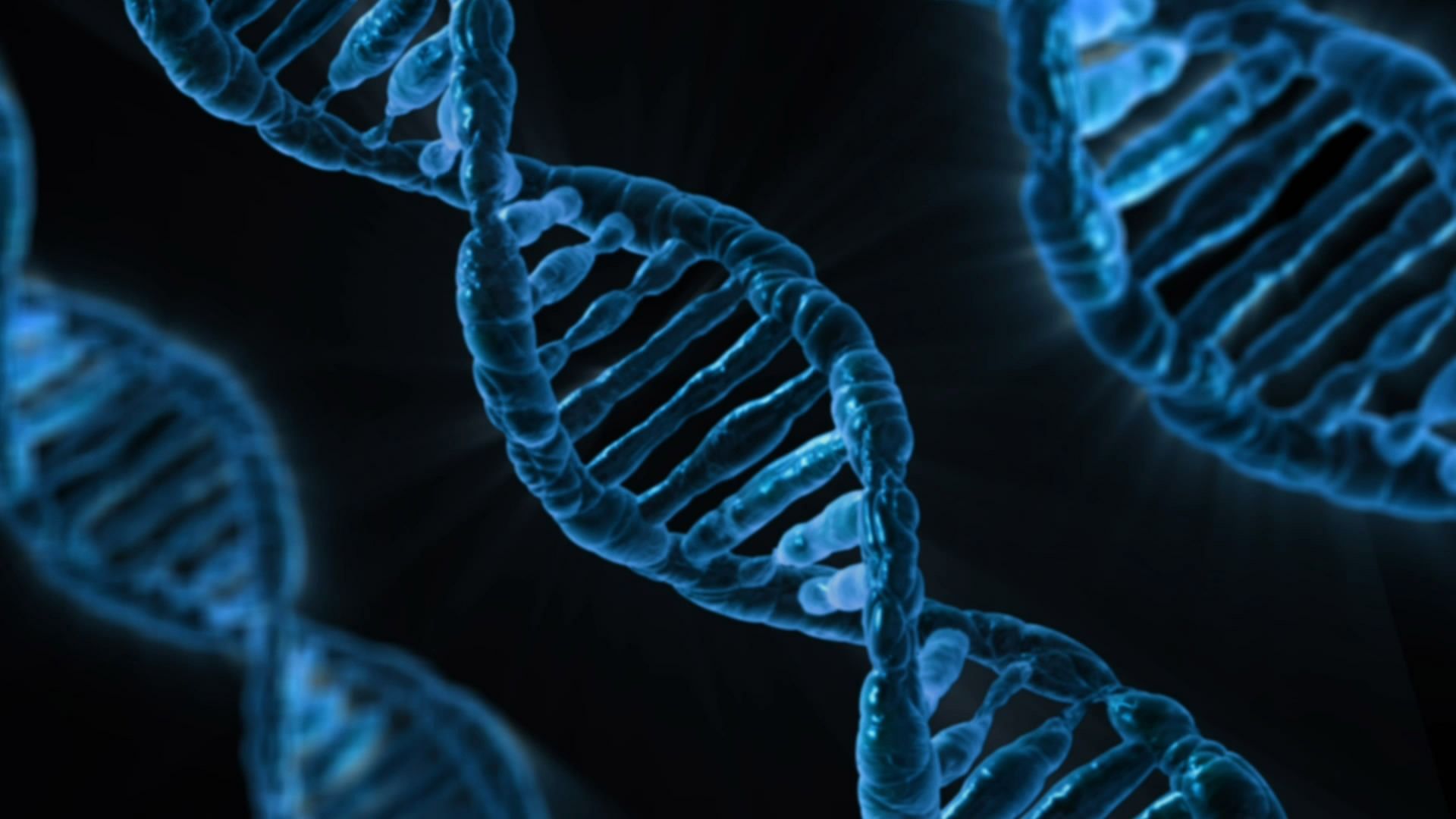
Usher syndrome is the leading genetic cause of combined hearing loss and vision loss. Researchers have identified 5 genes connected to the symptoms we know as Usher type 1. Everyone has these 5 genes, but when a child inherits the same "altered" or "changed" copy of the same gene from each parent, they will exhibit the symptoms known as Usher type 1, also known as USH1.
The letters B, C, D, F, G after USH1 indicate which gene has the variant. USH1B is caused by changes in the MYO7A gene. This change, also called "mutation," is the most common subtype of USH1 and is found in individuals around the world.
TYPICAL SYMPTOMS OF USHER SYNDROME TYPE 1, including USH1B:
- Bilateral profound deafness from birth
- Vestibular (balance) issues from birth
- Poor head control as an infant
- Late sitting, cruising, standing
- Late walking - often not before age 18 months.
- Unsteady gait and poor balance that continues throughout life
- Retinitis pigmentosa - progressive vision loss. With type 1, symptoms begin in the first decade of life:
- Decreasing ability to see in dimly lit environments beginning in childhood and continuing throughout life. Toddlers may exhibit this as fear of the dark. Children and adults may not be able to see well in dimly lit rooms - classrooms, restaurants, movie theaters, and at night - thus the term "night blindness." Good lamps and overhead lighting, flashlights, motion-controlled lighting, and portable table lamps can help. New technology (eyeglasses/apps) can help users to see in dim lighting.
- For children with Usher type 1, decreasing peripheral vision typically begins in the first decade of life. Children with undiagnosed RP/Usher may be labeled "clumsy," "inattentive," or "accident prone," but may actually be experiencing loss in their visual fields. Children cleverly adapt to these subtle visual changes, and may not even realize that they've lost some vision. For them, this is how everyone sees.
- Consider whether the child misses, for example, catching or hitting a ball because it was out of their visual field.
- Do they often trip over items left on the floor?
- Do they stop and scan a room before entering?
- Do they use their hands to orient themselves in dark environments?
- Their eyes need extra time to adapt to changes in lighting levels. For example, if a child is playing outside on a sunny day, and then comes into a school or home with dim lighting (or vice versa), it will take a minute for their eyes to adjust. They may stop at the entrance and wait for their vision to adapt, then continue to their destination. This is an intuitive and safe response to their circumstances.
Please note: Usher syndrome does NOT cause intellectual disabilities. Given the opportunity to develop language (signed and/or spoken), and receive an education, children and adults with Usher syndrome lead healthy and productive lives: graduate from school on time, attend university, work, own businesses, volunteer, have relationships/marry, have children if they choose to, live independently or with family/friends/spouses, travel, and are productive, creative, and contributing members of society.
If you have Usher syndrome, join the free, simple, and confidential USH Trust to get connected and stay informed.
Connect with your USH Ambassador to meet your local Usher community.
If you have information you'd like to share, or can’t find answers to your questions, contact us at info@usher-syndrome.org
Genetic Testing
There are many causes of combined hearing and vision loss. Genetic testing is the only way to know for sure if you have Usher syndrome.
- Testing can confirm that you have Usher syndrome, and the genetic variant/type of USH you have so that you can manage your life and health better.
- Testing can also tell you if you don't have Usher syndrome. If that is the case, you can talk to your doctor about other possible causes.
- If you want to apply to participate in research (clinical trials), you will need genetic confirmation (proof) of an Usher syndrome diagnosis
Check with your local health care provider for genetic testing resources.
-
Our USH partner, the Usher Syndrome Society, interviews Ethan and Gavin - brothers with Usher type 1B.
-
Our USH partner, the Usher Syndrome Society, interviews Qais, who has Usher type 1B, to learn about his life and his work as a model.
-
Our USH partner, the Usher Syndrome Society, follows Qais as he shares his experience swimming for the first time at a camp for youth with Usher syndrome.