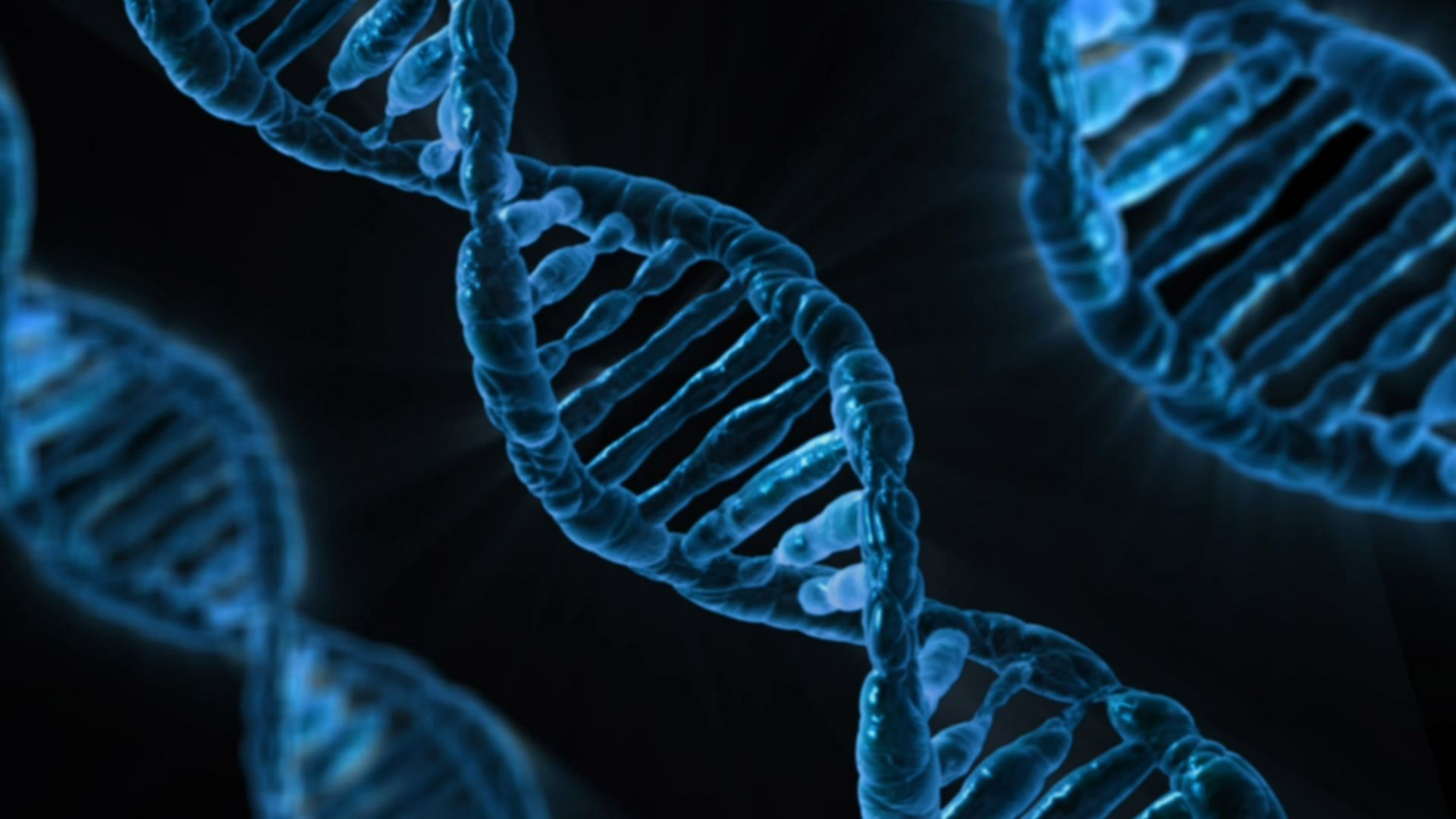
Usher syndrome is caused by changes or variants (also called "mutations") in the DNA of a gene that we all have. The variant causes the gene to function differently. In the case of Usher syndrome, these changes impact how proteins in the cilia (hair cells) in the ears (cochlea), eyes (retina), and semicircular canals (vestibular system) function.
Variants on different genes, or in different places on the same gene, can cause the same symptoms. So far, five genetic mutations have been identified as causing Usher type 1. This page will focus on information about USH1D (CDH23)
SYMPTOMS OF USHER SYNDROME TYPE 1 (USH1), including USH1D
- Profound deafness in both ears, from birth
- Decreasing vision in dim environments, beginning in childhood and continuing through adolescence and adulthood
- Vestibular (balance) problems from birth that can include
- Poor head control as an infant
- Late sitting
- Late walking at age 18 months or later
- Poor balance that continues throughout life
Understanding CDH23 and USH1D - A Gentle Explanation for Families by Anna Radova
When a child is diagnosed with Usher syndrome type 1D, many parents naturally ask why the body is affected in this way and how the gene involved normally works. This short text is meant to offer a simple, educational explanation, not medical advice.
Why does CDH23 calcium?
The CDH23 gene provides instructions for making a protein that helps cells stay properly connected and stable. This protein is especially important in the inner ear, where sound is converted into signals for the brain, and in the retina, which allows us to see. For CDH23 to work correctly, it needs the help of calcium ions (Ca2+) — a naturally occurring mineral in the body. You can imagine calcium as a kind of support system:
- Calcium helps the CDH23 protein keep its shape and strength.
- It allows different parts of the protein to stay firmly connected.
- Without enough stability, the protein cannot do its job properly.
Why do small genetic changes matter? In some forms of Usher syndrome type 1D, a very small change in the CDH23 gene can affect how well calcium supports the protein. Even a single change can make the protein less stable, which may impact hearing and vision over time. This does not mean anything was done wrong. Genetic changes happen naturally and are no one’s fault.
What this means for research Scientists around the world are studying different ways to support or correct how genes like CDH23 work. Some approaches focus on helping the gene produce a more stable protein, while others look at correcting how the gene’s instructions are read:
- Research takes time, care, and many safety steps.
- There is no single solution yet, but knowledge continues to grow.
It may be helpful to clarify that in USH1D the issue is not related to how much calcium a person consumes. Calcium is normally present in the body in sufficient amounts, and dietary intake or supplements do not influence the progression of the condition. In CDH23-related Usher syndrome, calcium plays a very specific and local role within the CDH23 protein itself. When the protein is altered by a genetic variant, it cannot bind or respond to calcium properly - regardless of how much calcium is available in the body.
This means that no one has caused progression by not taking enough calcium, and taking additional calcium cannot correct the underlying mechanism. Normal calcium intake remains important for overall health, but it does not change the course of USH1D.
A message for families:
Learning about genetics can feel overwhelming. It is okay to take this information slowly, to ask questions, and to focus first on what helps your child and family right now. This explanation is shared to help families better understand the biology behind the diagnosis — not to predict outcomes, and not to suggest specific treatments.
You are not alone on this journey.
Resources
-
USH1D United is an international network of individuals and families connected by Usher syndrome type 1D (CDH23 mutations) — a rare genetic condition that causes combined hearing and vision loss.